AGP Executive Report
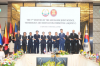
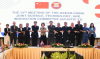
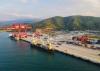
Last update: 8 hours agoHealth Infrastructure Push (Philippines): President Ferdinand Marcos Jr. ordered the fast completion of NKTI’s new Hemodialysis Building, aiming for 200 simultaneous patients by end-2027, after noting kidney disease affects 11% of Filipinos. Marine Conservation Gap (South Asia): A new study flags that Asia’s key shark and ray habitats are barely protected, with only 5.4% overlapping marine protected areas and just 2.8% in no-take zones; Sri Lanka’s areas remain mostly open to fishing. Startup & Business (Korea): NextRise 2026 wrapped in Seoul with 540+ startups and 4,000+ 1-on-1 meetings linking founders to major corporates and investors. Social Attitudes (Philippines): Data from the World Values Survey finds the Philippines ranks third among nine Asian economies for acceptance of homosexuality, with 24.9% in the “high acceptance” group. Regional Energy Links (Malaysia/ASEAN): Sarawak Energy says it’s driving Borneo grid interconnections and is exploring cross-border links, including a proposed subsea cable to Singapore. Climate Risk (Singapore/SE Asia): Singapore’s SIIA warns of a high risk of severe haze in the second half of 2026, tied to El Niño and deforestation pressures. ASEAN Diplomacy Critique: A policy piece argues ASEAN should shift from long statement-writing toward practical outcomes and capability-building. Tech & Trade (Singapore): Yealink chose Singapore for its global operations HQ and customer experience center. Sports & Events (Philippines): Cebu’s SRP site has been selected for the PSC “House” ahead of the 2028 Asian Beach Games.
Note: AI summary from news headlines; neutral sources weighted more to help reduce bias in the result. Feedback is welcome. Please let us know if you have any comments or suggestions about the AGP Executive Report.
 Perspectify News